Why Unpredictability Powers Engagement Across Both TikTok Feeds and Interactive Games

Maxime Dupré
7/15/2026
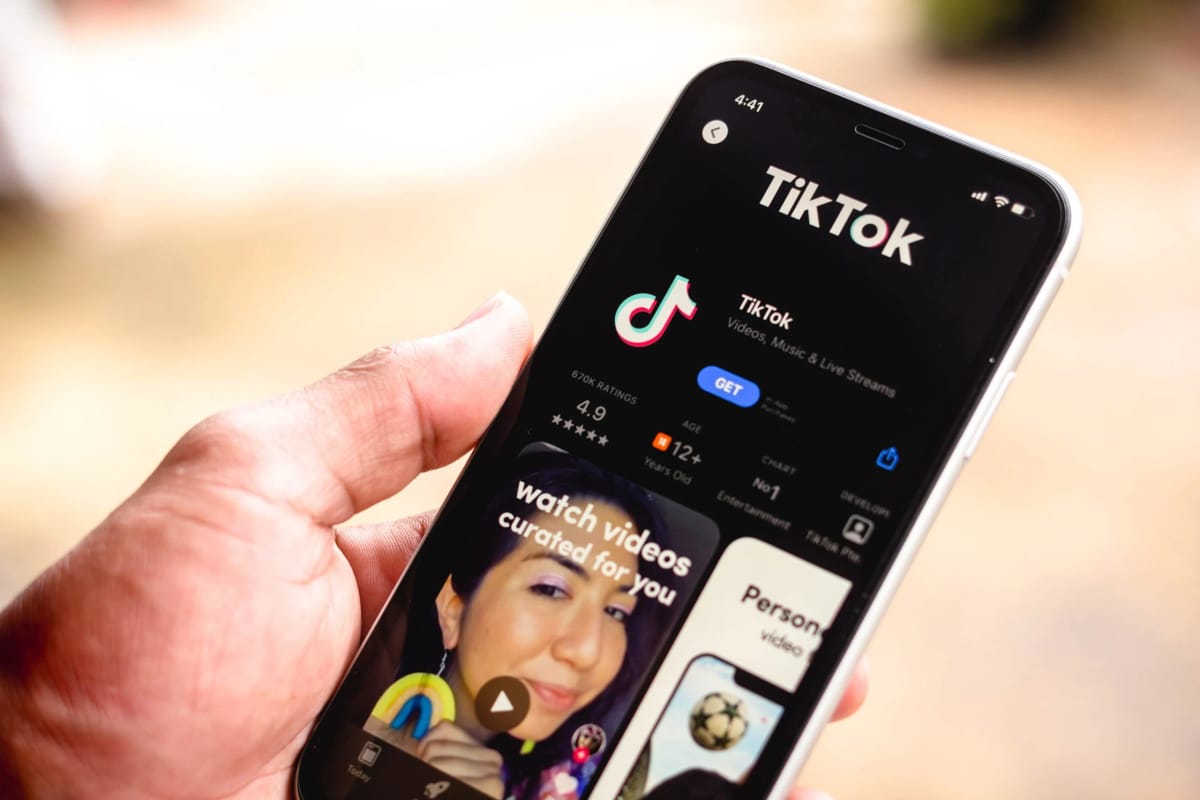
The TikTok algorithm and casual gaming design have arrived at the same conclusion through entirely separate routes. The audience that returns repeatedly to either format does so largely because the next item is genuinely unpredictable. The video that appears after the current one might be a comedy clip, an educational explainer, a music recommendation or something the user has never seen anything like before. The next round of a casual game might deliver a small reward, a major one, or something in between. The unpredictability is not a side effect of either system. It is the central mechanism that produces the engagement, and the parallel between the two categories tells us something interesting about how attention actually works.
What variable rewards do to the brain
The neurological mechanism underneath both systems has been understood for decades. Variable reward schedules produce significantly stronger engagement than fixed ones, because the brain releases dopamine in response to the uncertainty itself rather than the reward at the end. The TikTok feed and the casual gaming session both deliver variable rewards on a tight loop, which is why both produce the kind of sustained engagement that fixed-schedule content rarely manages. The mechanism is not unique to either category. It shows up wherever variable rewards are designed into the experience, from slot machines to gacha mechanics to whatever the next platform invents, and the same pattern is visible in TikTok series content success metrics where unpredictability across episodes drives the engagement curve.
How TikTok turned unpredictability into a feed
The TikTok algorithm represents one of the most aggressive applications of variable reward design ever deployed at scale. The user has no idea what the next video will be, has limited control over the recommendation engine, and gets steady delivery of content that fits their interests just well enough to keep them watching. The combination produces sessions that stretch far longer than the user typically intends. The platform did not invent any of the underlying mechanisms. It just applied them more aggressively than its predecessors had been willing to.
Where social gaming sits in the same category
Spin Blitz, a social gaming platform built around session-based interactive titles, has applied similar principles in a different format. The online sweepstake games the platform offers deliver variable outcomes within each session, with rewards that range from small to significant on a schedule the player cannot predict. The engagement mechanism is the same one TikTok leans on, just translated into a format where the user actively participates rather than passively scrolling. The audience that loves the TikTok experience tends to respond to social gaming for the same neurological reasons, even when the surface formats look completely different.
Why predictable content struggles to compete
Content that lacks unpredictability produces weaker engagement almost universally. A YouTube channel that posts the same kind of video every time has to work harder for retention than a TikTok creator who delivers variety. A game that delivers the same outcome on every session has to lean on other engagement mechanisms to keep the player invested. The platforms and formats that have grown fastest over the past decade are almost all built around variable-reward designs, and the ones that have struggled are mostly built around predictable patterns.
The tradeoffs that come with the design
Variable-reward design produces strong engagement but comes with real costs. The engagement can tip into compulsion if the variable schedule is tuned too aggressively. The format can produce the sense of having wasted time even when the user enjoyed the session. The platforms that lean heavily on the mechanism tend to draw criticism from audiences who feel manipulated, even when the same audiences continue using the platforms. The design choice is powerful, but it is not neutral, and the platforms that handle it well tend to be the ones that build safety valves into the experience.
How creators on both platforms work the system
Creators who understand the variable-reward mechanism tend to outperform creators who do not. On TikTok, the creators who deliver unexpected content within an expected format tend to grow faster than the ones who deliver the same content every time. On social gaming platforms, the games that build small surprises into each session tend to retain players longer than the games that deliver predictable outcomes. The pattern is consistent across both categories: the audience wants the format to be familiar but the content within the format to be unpredictable.
Why the underlying pattern keeps showing up
The variable-reward mechanism is older than every digital platform that uses it. The same pattern shows up in fishing, hunting, card games, sports outcomes, weather watching and every other activity where humans engage with uncertainty over time. The digital platforms have refined the delivery mechanism and increased the frequency of the rewards, but the underlying psychology is the same one that produced human engagement with uncertainty across our entire evolutionary history. The mechanism is not going to stop working, which is why every new digital platform tends to rediscover the same engagement playbook eventually.
Why the next decade of attention design will keep rewarding the same playbook
The platforms and formats that will lead the next decade of attention design will almost certainly lean on variable-reward mechanisms, whether the platforms are video, gaming, audio or something that does not exist yet. The mechanism has been proven across enough categories that any new platform with serious engagement ambitions will adopt it as the default. The interesting question is not whether variable rewards will continue to drive attention but which platforms will figure out how to use them responsibly, how to give audiences enough control over their own experience, and how to build safety valves that prevent the mechanism from tipping into pure compulsion. The platforms that solve that part well will likely dominate. The ones that ignore the question will keep getting criticized, even as their metrics keep climbing.