Why Live Dealer Tables Keep Gaining Ground Even Though Automated Ones Are Faster

Maxime Dupré
10/19/2026
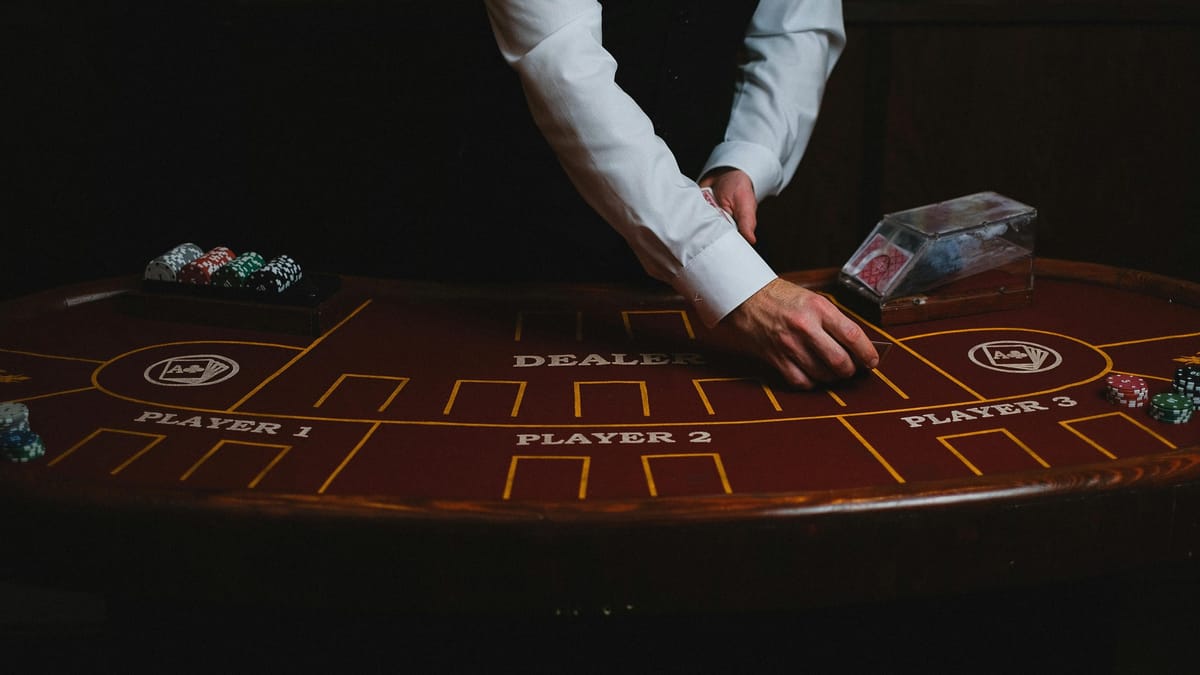
Automated games deal cards instantly, settle bets in milliseconds, and never need to shuffle a deck. Yet, despite this speed, live dealer tables have become one of the most popular sections of many online casinos. Players are actively choosing a slower, more deliberate experience over instant gratification. This shift reveals a simple truth: the speed of software rarely outweighs the human desire for real connection, transparency, and authentic suspense.
Here is how the two formats compare at a glance:
| Feature | Live Dealer Games | Automated (RNG) Games |
|---|---|---|
| Pace of play | Slower, deliberate pacing | Instant, rapid-fire rounds |
| Social interaction | High (chat, dealer banter) | None (solitary experience) |
| Transparency | Physical cards and wheels on camera | Certified software that players cannot see |
| Suspense | Natural build-up of anticipation | Immediate results upon clicking |
These differences explain why many players trade speed for a seat at a streamed table.
The Human Element Cannot Be Coded
Computerized table games isolate the player, stripping away the social atmosphere that makes gambling enjoyable in a traditional setting. Live streams bring this communal energy back. The ability to interact with a real person completely changes the mood of a session, turning a solitary activity into a shared event.
Players can use chat boxes to joke with the host, congratulate others on a big win, or commiserate after a tough loss. The dealer responds out loud, creating a back-and-forth that a programmed text prompt cannot replicate.
A live host brings several interactive elements that software lacks:
- Spontaneous reactions: Dealers react naturally to unexpected outcomes, celebrating big payouts alongside the players and adding emotional weight to the game.
- Shared camaraderie: Seeing other usernames place bets on the same virtual felt creates a sense of community, making you feel like part of a larger group.
- Personalized engagement: Good hosts often greet players by their usernames when they join the table and keep the conversation flowing smoothly.
Trust and Transparency at the Table
Gamblers have always approached computerized results with a healthy dose of skepticism. Random number generators at licensed casinos are checked by independent testing labs such as eCOGRA and GLI, but they still work behind a curtain of hidden code. If you open the Live tab at FS Casino online and watch a real dealer spin the roulette wheel before you play, the difference is easy to feel, because seeing a person handle the equipment brings a comfort that software struggles to match.
Seeing a physical roulette ball bounce across metal frets and drop into a pocket carries a psychological weight that a computer animation simply cannot match. When an RNG game glitches or a player hits a losing streak, it is easy to blame the algorithm. When that same losing streak happens at a live table, players can see exactly how the cards fell, removing the lingering doubt about fairness.
The Pace of Play: Faster Isn’t Always Better
Speed is often marketed as a core benefit of automated software, but in gambling, playing faster has a real downside. A computerized blackjack game lets you play hundreds of hands in an hour, while a live table deals far fewer, and that gap changes the nature of the activity.
Savoring the Anticipation
The time between placing a wager and seeing the final result is where the thrill actually lives. The slow reveal of a river card in poker or the gradual slowing of a physical roulette wheel builds a specific kind of tension. Automated games strip this tension away. Live games make you wait, letting the anticipation peak naturally before the outcome is revealed.
Extending the Entertainment
Playing at lightning speed might sound efficient, but it also means burning through a budget faster. Because human dealers take time to announce bets, shuffle cards, and interact with the chat, fewer rounds are played each hour. At the same stake, fewer rounds mean the house edge touches your money less often, so a fifty-dollar budget can last noticeably longer with a live host than on a rapid automated table. Setting that budget before you sit down is still the smartest move.
The Evolution of Game Shows and Hybrids
Live gaming has moved far beyond casino staples like baccarat and roulette. Studios realized that having a real human on camera allowed them to experiment with entirely new formats, turning traditional tables into television-style productions. These formats rely on charismatic hosts who keep the audience engaged, bridging the gap between gambling and pure entertainment.
This evolution has introduced new formats that blend classic mechanics with visual spectacle:
- Multiplier mechanics: Classic games such as roulette add random multipliers, shown as on-screen graphics, that boost certain payouts and add volatility to traditional rules.
- Host-driven spectacles: Games built around giant money wheels or bingo-style draws rely on energetic presenters who narrate the action and build up the crowd’s excitement.
- Augmented reality features: Physical studios are often overlaid with interactive 3D graphics, allowing the host to interact with virtual bonus rounds while still anchoring the game in a physical space.
Titles such as Lightning Roulette and Crazy Time from Evolution show how far the format has come.
A Lasting Preference for Authentic Experiences
The ongoing success of live dealer streams shows that efficiency is not the main goal for most players. While automated tables serve a purpose, they cannot replace the atmosphere of sitting down with a human host. The social interaction, the visible transparency of physical equipment, and the comfortable rhythm of play create an environment that feels human. As long as players value connection and suspense over pure speed, human dealers will remain a central part of online casinos.