Top 6 Games for Strategy Lovers

Maxime Dupré
10/19/2026
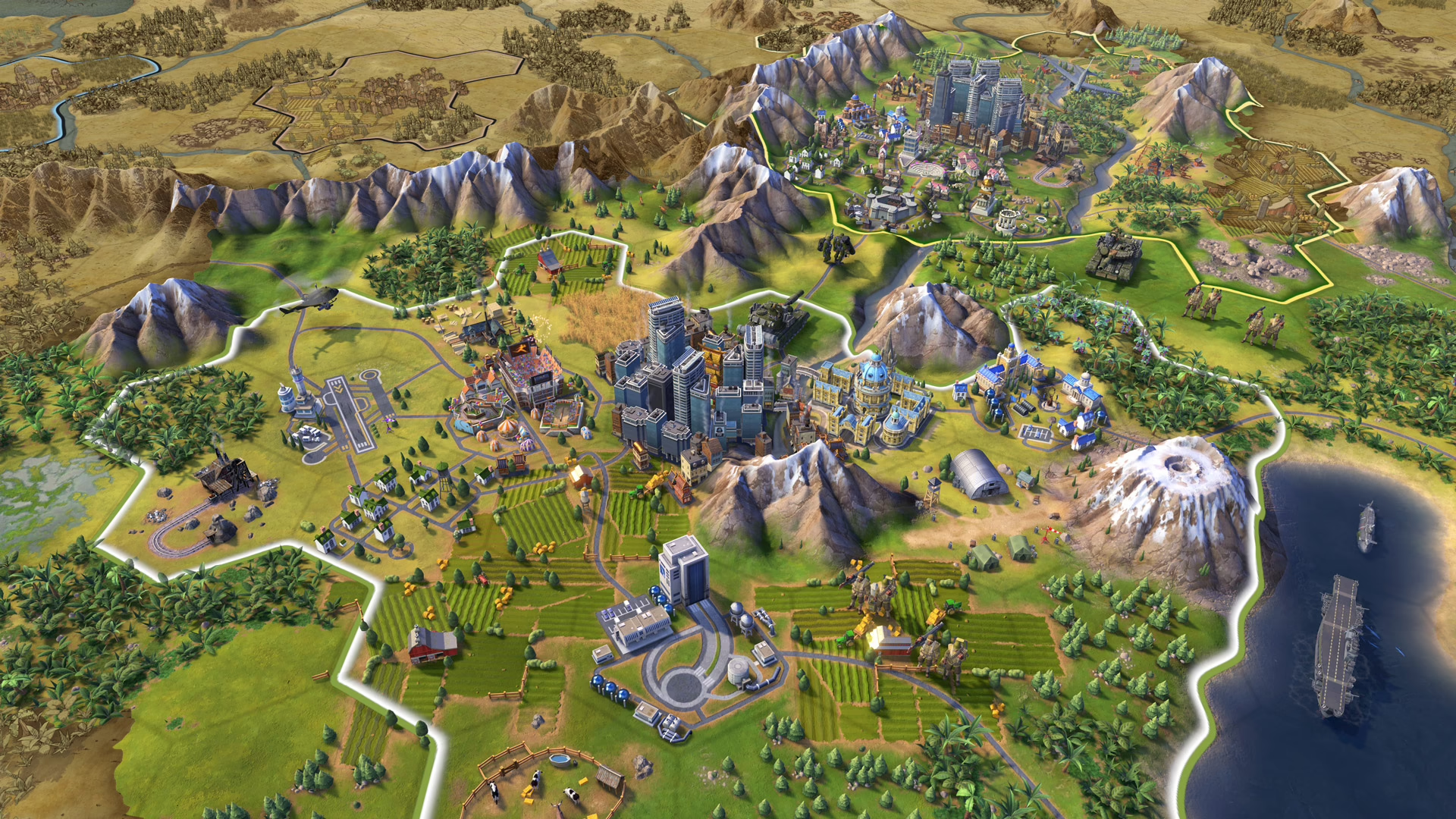
Strategy games reward patience, foresight, and adaptation under pressure. Their appeal comes from building a plan, anticipating opponents, and turning difficult positions into winning ones. The genre is broad. Some games emphasize territory and resources, while others focus on tactical combat, diplomacy, or economic planning.
What Makes a Strategy Game Truly Rewarding
A strong strategy game gives choices real weight. When decisions shape what happens next, the experience becomes more than a sequence of moves. Replayability matters too. Great strategy games stay interesting because sessions unfold differently through changing maps, faction variety, hidden information, or unpredictable opponents.
Strategy also appears in discussions about probability and decision-making outside traditional board and video games, although the role of skill can differ considerably. On platforms such as HitnSpin Casino, understanding game rules and probabilities can help players make informed choices, but outcomes in RNG-based casino games remain determined by chance rather than strategic mastery.
| Game | Core strategic focus | Why it stands out |
|---|---|---|
| Go | Territory and long-term balance | Simple rules with enormous complexity |
| Civilization | Empire building and trade-offs | Multiple victory paths and layered planning |
| StarCraft II | Real-time adaptation | Speed, scouting, and faction asymmetry |
| XCOM 2 | Tactical combat and risk management | High-stakes choices on and off the battlefield |
| Total War | Campaign strategy and battlefield tactics | Combines empire management with live battles |
| Into the Breach | Compact tactical puzzles | Clear information and precise turn planning |
These games approach strategy in very different ways. Go focuses on direct competition, while the digital titles add resource management, asymmetric factions, campaign progression, or tactical combat.
Go Rewards Patience, Balance, and Long-Term Vision
Go is often described as elegant, but that elegance hides enormous complexity. Players place black and white stones on a grid, trying to control territory while keeping formations connected and efficient.
What makes Go so rewarding is its emphasis on balance. Aggression without support can collapse quickly, while passive play may surrender too much space. Players must judge when to build, invade, or sacrifice while reading the wider board.
Civilization Turns History Into Strategic Decision-Making
The Civilization series is one of the most recognizable names in strategy gaming because it combines empire building with layered decision-making. Players guide a society from early development to global influence, balancing science, military power, culture, diplomacy, and economic growth.
Several features make the series especially appealing to players who enjoy long-term planning. Changing maps, rivals, resources, and strategic priorities mean that one approach will not work every time.
- Multiple routes to victory support different playstyles.
- Diplomacy adds uncertainty beyond pure expansion.
- Map variation forces constant adaptation.
- Resource management rewards careful pacing.
That flexibility gives Civilization broad appeal while still satisfying players who enjoy deep planning. Early decisions can also shape the entire match, from city placement to technological priorities.
StarCraft II Tests Speed Without Losing Depth
Real-time strategy games place strategic thinking under time pressure, and StarCraft II remains one of the clearest examples. Players must gather resources, scout opponents, build armies, and respond to threats almost constantly.
Its three factions are a major reason the game stands out. Each has distinct strengths, weaknesses, and rhythms, changing how players approach offense, defense, and expansion. Success depends on execution, information, and the ability to adjust quickly.
XCOM 2 Blends Tactical Combat With Risk Management
XCOM 2 combines squad-based tactical missions with campaign-level planning. On the battlefield, players move soldiers through cover, manage abilities, and make difficult calls with incomplete information. Outside combat, they research technology, allocate scarce resources, and decide which threats deserve priority.
This structure creates lasting tension. A poor tactical decision can cost an experienced soldier, while a weak strategic choice can slow campaign progress. Players rarely have enough time or resources to do everything they want.
Total War Combines Grand Strategy and Battlefield Tactics
The Total War series connects turn-based empire management with real-time battles. On the campaign map, players handle diplomacy, taxation, recruitment, and territorial expansion.
Once armies clash, the perspective shifts to battlefield tactics, where positioning, morale, terrain, and timing become decisive. That blend gives the series its distinctive appeal by linking broad political planning directly to military outcomes.
Into the Breach Proves Small Maps Can Hold Big Ideas
Into the Breach shows that strategy depth does not require a massive map or long sessions. Battles take place on compact grids where players control mechs defending cities from giant enemies.
Enemy actions are shown in advance, so the challenge is not hidden information but finding the smartest response. Its strengths work together to create a focused tactical experience:
- Short missions keep the pace focused.
- Clear enemy intent rewards deliberate analysis.
- Different squads create fresh tactical possibilities.
- Failure teaches useful lessons instead of feeling arbitrary.
Because it values efficiency and clarity, Into the Breach has become a favorite among players who appreciate pure tactical design. Its compact structure also makes repeated runs manageable without sacrificing depth.
Where Strategic Play Leaves the Strongest Impression
The best strategy games do not all look alike, but they share one major strength: they make choices matter. Whether through Go, Civilization, or Into the Breach, each creates a space where careful thinking leads to meaningful results.
That is why strategy remains one of gaming’s most enduring forms. It rewards adaptation, respects the player’s attention, and offers depth that lasts well beyond a few sessions.