TikTok Study Hacks That Actually Boost Student Productivity

Maxime Dupré
8/19/2026
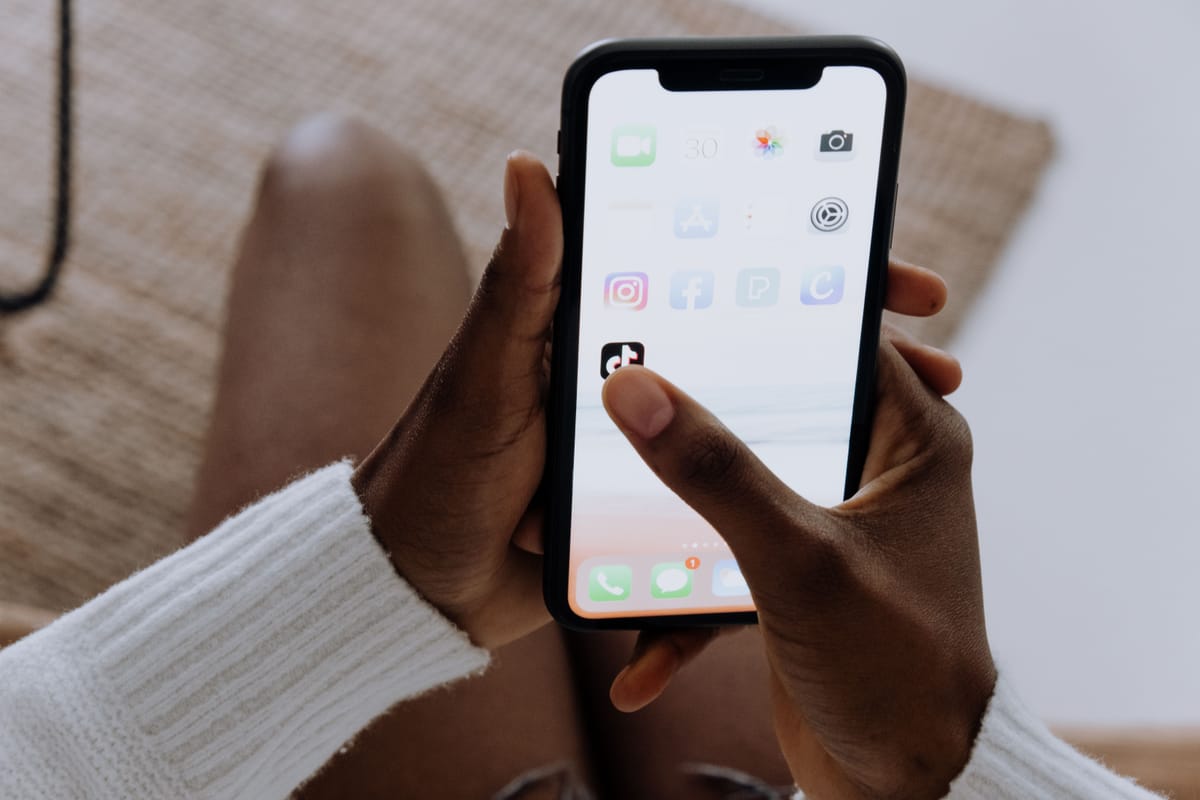
TikTok can teach you a new study method in less than 30 seconds. One video recommends the Pomodoro technique, another shows the blurting method, and the next tells you to wake up at 5 a.m. to rewrite your notes in five different colors. It all looks productive—but does it actually help you learn?
That is the important question.
The best TikTok study hacks are not necessarily the most attractive or dramatic. They are the methods that help you begin faster, stay focused longer, understand difficult material, and remember information when you need it. A beautiful desk and a perfect playlist may feel motivating, but real productivity comes from what your brain is doing.
Fortunately, several popular TikTok study hacks are based on useful learning principles. You do not have to copy every detail from a viral video, though. Instead, you can take the main idea, adjust it to your schedule, and create a study system that works in real life.
Here are the TikTok study hacks that can genuinely boost student productivity—and the best ways to use them.
1. Learn to Separate Useful Study Hacks From Viral Distractions
TikTok is excellent for discovering ideas, but it is not always reliable for checking whether those ideas work. A study hack may receive millions of views because it looks satisfying, not because it improves learning.
Think about “study aesthetic” videos. You may see a clean white desk, expensive stationery, a tablet, soft lighting, and a perfectly organized notebook. These things can make studying feel more enjoyable. However, decorating your notes is not the same as understanding them. A desk can look like a spaceship and still go nowhere.
Before trying a TikTok productivity tip, ask yourself three questions.
First, does the method make me actively use my brain? Productive studying usually involves recalling, explaining, solving, comparing, or applying information. Passive activities, such as rereading the same paragraph repeatedly, often create the feeling of familiarity without strong understanding.
Second, does the hack reduce friction? A useful method should make it easier to begin or continue studying. For example, placing your phone in another room removes a common distraction. Preparing your textbook and notebook before dinner also makes starting easier later.
Third, can I repeat this method without becoming exhausted? A routine that requires four hours of sleep, twelve hours of studying, and a large amount of caffeine is not a sustainable productivity system. It is a fast road to burnout.
Real student productivity is not about appearing busy or relying on every TikTok study hack you see. Sometimes those tips are not enough, especially when a difficult subject begins to affect your confidence and well-being. In those moments, searching “Who can do my math homework online?” may lead you to tutors or learning services that explain challenging problems or simply complete the work for you. Outside support can reduce stress, strengthen your understanding, and help you earn better grades. TikTok can still be a useful toolbox, but it should complement healthy habits, personal effort, and expert guidance.
2. Use Active Recall and the TikTok Blurting Method
Active recall is one of the most useful study ideas shared on TikTok. Instead of looking at information again and again, you close your notes and try to retrieve the information from memory.
Why is this effective? When you force your brain to search for an answer, you strengthen your ability to remember it later. Research on retrieval practice has found that testing yourself can support longer-term retention better than simply studying the same material repeatedly (Roediger and Karpicke, 2006). A major review of learning techniques also rated practice testing as a highly useful strategy (Dunlosky et al., 2013).
One TikTok version of active recall is called the blurting method. The name sounds strange, but the process is simple: you “blurt out” everything you remember about a topic without checking your notes.
How to Use the Blurting Method Correctly
Begin with a small topic, such as the causes of a historical event, the stages of cell division, or the main themes in one chapter of a novel. Read the material carefully enough to understand the basic ideas. Then close the book.
On a blank page, write everything you can remember. Do not worry about perfect grammar, handwriting, or organization. Your goal is to reveal what is already inside your memory.
Next, compare your page with the original material. Use another color to add missing details and correct mistakes. The gaps are valuable because they show you exactly what to review. Instead of spending another hour studying the whole chapter, you can focus on your weak points.
Finally, repeat the exercise later. You might try it again the next day and then several days after that. Spacing study sessions across time generally supports stronger retention than putting all your practice into one session (Cepeda et al., 2006).
You can also turn active recall into questions. Write a question on one side of a flashcard and the answer on the other. Before turning the card over, say the complete answer aloud. Digital flashcard apps can help, but paper cards work too.
Another useful variation is the teach-back method. Imagine that you are explaining the topic to a younger student. Can you describe it without using complicated textbook language? Can you give an example? Can you explain why the idea matters? When your explanation becomes unclear, you have probably found a gap in your understanding.
Active recall may feel harder than rereading. That difficulty is not a sign that the method has failed. In many cases, it means your brain is doing the work that learning requires.
3. Turn the Pomodoro Technique Into a Real Focus System
The Pomodoro technique appears in countless “StudyTok” videos. The traditional version asks you to work for 25 minutes, take a five-minute break, and repeat the cycle.
This method can help because it makes a large task feel smaller. “Study chemistry tonight” sounds heavy and unclear. “Complete ten chemistry questions during one 25-minute session” feels more manageable.
However, many students become too focused on following the timer perfectly. The 25-minute rule is not magic. You may need a longer session for essay writing or a shorter session when you feel tired. The timer should support your attention, not control it.
A Better Pomodoro Setup for Students
Before starting the timer, choose one clear result. Do not write “work on assignment.” Write “draft the introduction,” “review pages 20 to 30,” or “solve questions one to eight.” A specific target gives your brain a finish line.
Remove distractions before the session begins. Put your phone outside your reach, close unnecessary browser tabs, and keep only the materials you need on your desk. Starting a focus timer while notifications continue to appear is like trying to fill a bucket with a hole in the bottom.
Work for 25 to 45 minutes, depending on the task and your current attention level. Then take a short break. Stand up, stretch, drink water, or look through a window. Research suggests that brief breaks can sometimes help people maintain attention during long tasks (Ariga and Lleras, 2011).
Avoid opening TikTok during a five-minute break. TikTok is designed to keep showing you new content, so five minutes can easily become thirty. Opening the app during a break is like opening a bag of glitter: it spreads much farther than you planned.
After three or four focus sessions, take a longer break. Eat something, go for a short walk, or speak to someone. Your goal is to return with more energy, not to punish yourself with nonstop work.
You should also protect moments of deep concentration. When you are fully involved in an essay, calculation, or creative task, you do not need to stop simply because the timer rings. Finish the paragraph or complete the problem first. Productivity tools should remain flexible.
At the end of each session, write down what you completed and what you will do next. This small action reduces confusion when you return. It is like leaving a bookmark for your future brain.
4. Try Body Doubling, “Study With Me” Videos, and Phone Parking
Another popular TikTok study hack is body doubling. This simply means working while another person is also present and focused on a task. You do not have to work on the same subject or even speak to each other. The presence of another person can create structure and make it harder to drift away from your work.
You can try body doubling with a friend at the library, during a quiet video call, or at the kitchen table while another family member works. At the beginning, each person can state a goal. At the end, you can quickly report what you completed.
“Study with me” videos offer a digital version of the same idea. These videos often show someone studying quietly for a fixed period. Some include timers, background sounds, and planned breaks.
Choose a simple video that does not demand your attention. Constant camera changes, loud music, or on-screen messages can become distractions. The person in the video should feel like a quiet study partner, not an entertainer.
Phone parking is another practical TikTok productivity tip. Instead of keeping your phone beside your notebook, choose a specific “parking place” for it. This could be a shelf, a drawer, or a different room.
Keeping the phone face down is not always enough. You still know it is there, and you may check it automatically when a task becomes difficult. Physical distance adds a small barrier. That barrier gives you time to notice the impulse and return to work.
App blockers and focus modes can strengthen this system. Schedule distracting apps to remain unavailable during your main study periods. You can also remove social media apps from your home screen or log out after each use. These steps are not dramatic, but they reduce the number of decisions you must make.
Try the five-minute launch rule when you still cannot begin. Tell yourself that you only need to work for five minutes. Open the document, read the question, and complete one tiny step. Starting often creates momentum. A train uses a great deal of energy to leave the station, but much less to continue moving.
Your physical environment matters too. Keep commonly used materials nearby and remove objects that invite distraction. You do not need a perfect TikTok desk. You need a space where the next useful action is obvious.
Music can help some students create a study atmosphere, but choose it carefully. Songs with memorable lyrics may compete with reading or writing. Instrumental music, soft background noise, or silence may work better for language-heavy tasks. Test different options and judge them by your results, not by how productive they look online.
Listening to carefully chosen music can be especially useful for students studying music, particularly when their assignments involve rhythm, melody, theory, or critical listening. When music assignments feel difficult, students can seek music homework help from qualified tutors who explain concepts and build confidence. This extra support can reduce frustration, strengthen musical skills, and help students complete their work more successfully.
5. Build a TikTok-Inspired Study Routine That Lasts
The most effective TikTok study hacks become much stronger when you combine them into a simple routine.
Start each study period by choosing one to three priorities. Keep the list realistic. A huge list may look ambitious, but it can create anxiety before you begin. Completing three meaningful tasks is usually more useful than starting fifteen.
Next, prepare your environment. Park your phone, open the correct materials, fill a bottle of water, and decide which task comes first. This preparation should take only a few minutes.
Use a focus timer to begin. During the session, work on one task rather than switching constantly between subjects, messages, and videos. When the timer ends, record your progress and take a real break.
After learning new material, use active recall. Close your notes, write what you remember, answer practice questions, or explain the topic aloud. Return to the information on future days instead of trying to master everything in one evening.
At the end of the week, review your system. Which hack helped you complete more work? Which one became another form of procrastination? Did a certain timer length fit you better? Did studying with a friend improve your concentration, or did you spend too much time talking?
Treat your study routine like an experiment. Change one part, observe the result, and keep what works. You do not need to copy a creator’s exact morning routine, desk setup, or color-coding system. Their life is not your life.
Be especially careful with viral hacks that encourage all-night study sessions, extreme schedules, excessive caffeine, or unrealistic amounts of work. Sleep, regular meals, movement, and rest are not enemies of productivity. They support the attention and energy that productive studying requires.
Also avoid confusing note creation with learning. Neat notes can be useful when they help you organize ideas, but rewriting every sentence in perfect handwriting may consume hours. Ask yourself whether you are processing the content or simply decorating it.
The best TikTok study hacks are often the least dramatic: test yourself, divide work into focused sessions, remove your phone, study beside someone, take purposeful breaks, and review material over time. These strategies will not turn every study session into an effortless experience, but they can make your effort more focused and effective. TikTok may provide the spark, yet your consistent actions create the result. Choose methods that help you learn—not methods that only make you look productive—and you will build a study routine that continues working long after the video ends.