Beyond Trading Everyday Ways People Actually Spend Crypto

Maxime Dupré
9/7/2026
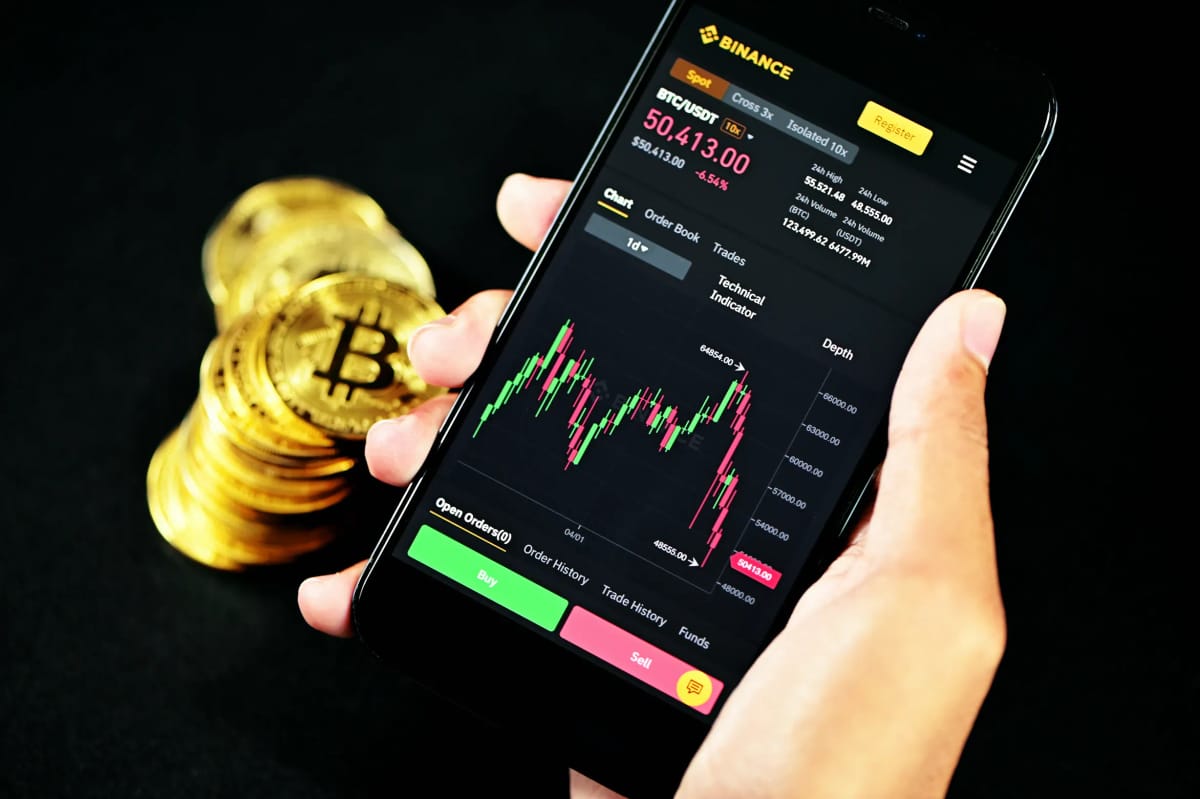
Crypto has spent years living in trading apps, exchange charts, and investment portfolios. That image is starting to look incomplete. In 2026, crypto is turning up in more familiar parts of digital life, including gaming, creator monetization, online shopping, and cross-border payments.
The change is especially noticeable with stablecoins and crypto-linked cards. People can now spend digital assets through payment networks they already recognize, while creators and freelancers have more ways to receive money from international audiences and clients. For people who spend much of their time online, crypto is becoming useful in places far removed from a trading screen.
Supporting creators with crypto
Creator tipping is one of the simplest ways to spend crypto. A fan can send a contribution to a creator, website, or livestreamer, giving the creator another source of income alongside sponsorships, memberships, advertising, and merchandise.
Brave Rewards is one example. Its creator program allows eligible websites, YouTube channels, Twitch accounts, and other online creators to receive BAT contributions from supporters. Brave’s July 2026 transparency data listed more than 1.6 million verified creators and publishers across its supported platforms.
That model fits the way online audiences already behave. Someone might discover a gaming creator through a short TikTok clip, watch their streams on Twitch, and follow their longer videos on YouTube. A small crypto contribution can become another way for that fan to support the work.
Spending crypto on gaming and digital entertainment
Gaming is an obvious fit for digital payments because players already spend real money on things that only exist online. Game credits, skins, downloadable content, subscriptions, collectibles, and other virtual goods are part of everyday gaming.
Crypto adds another payment option to that mix. Some gaming and entertainment platforms accept digital assets directly, while others use crypto payment services or cards. Casino gaming is another niche example, with platforms offering crypto-funded games such as Litecoin slots.
The wider gaming-creator connection is worth watching, too. TTS Vibes recently covered tips for gaming creators on TikTok, where building an audience, connecting with viewers, and creating a recognizable niche are central to growth.
This creates a natural overlap between gaming, content creation, and digital payments. A creator can earn through brand deals and platform revenue, while their audience can spend money on games, digital items, memberships, and creator support.
Using crypto cards for everyday purchases
One of the biggest changes in crypto spending is the rise of cards that connect digital assets to established payment networks. Instead of searching for a merchant that accepts a particular cryptocurrency, users can spend through a card wherever the relevant payment network is accepted.
Visa reported that stablecoin-linked cards processed approximately $5.2 billion in volume during 2025, a 319% increase from the previous year. By March 2026, Visa said it had more than 130 stablecoin-linked card programs across more than 50 countries.The growth continued through the summer. Data from a16z crypto and Paymentscan showed crypto payment cards processed about $759 million in July 2026, compared with $306 million in July 2025. Nearly 9 million purchases were made during the month, with an average transaction of about $86.
Stablecoins dominated that spending. USDC and USDT together represented roughly 84% of tracked card volume, showing why dollar-linked digital assets have become such an important part of the payments conversation.
For consumers, the appeal is simple. They can hold a digital balance and use a card for ordinary purchases, while the conversion into local currency happens as part of the payment process.
Paying freelancers across borders
A video editor in Manila can work for a client in Los Angeles, while a designer in Mumbai can take on projects for companies in London. Getting paid can involve currency conversion, international banking arrangements, and processing delays.
Stablecoins give online workers another option. A client can send USDC or USDT to a compatible wallet, and the recipient can then hold the funds, convert them into local currency, or use them through a supported payment service.
This is particularly useful for people who already work across borders and understand digital wallets. It can also reduce the need for both sides to use the same local financial service.
The practical details still matter. Network fees, exchange rates, taxes, wallet security, and local regulations can affect the final amount a freelancer receives. Crypto offers another payment route, and users still need to understand the costs attached to it.
Shopping with a crypto balance
Online shopping is another area where crypto is becoming easier to use. Direct cryptocurrency checkout remains relatively limited compared with cards, yet payment processors and crypto-linked cards can bridge that gap.
A shopper may hold stablecoins in a wallet, use a linked card at a regular retailer, and complete the purchase without the merchant handling crypto directly. From the customer’s perspective, the process can feel much like any other card payment.
That setup also gives merchants more flexibility. They can serve customers who prefer digital assets without rebuilding their entire checkout system around blockchain payments. For digital-first shoppers, that matters. The easier the payment experience becomes, the less relevant the underlying technology feels during an ordinary purchase.